

NEWS & EVENTS > INFRASTRUCTURE AND URBAN REGENERATION
INFRASTRUCTURE AND URBAN REGENERATION
Rapallo, September 18 2026 EVENT
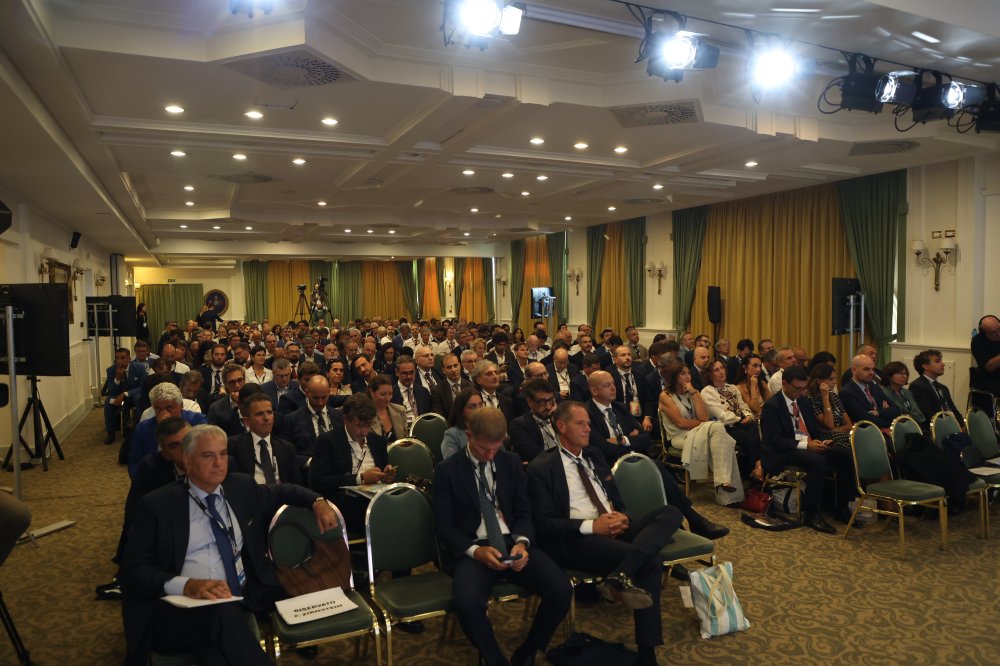
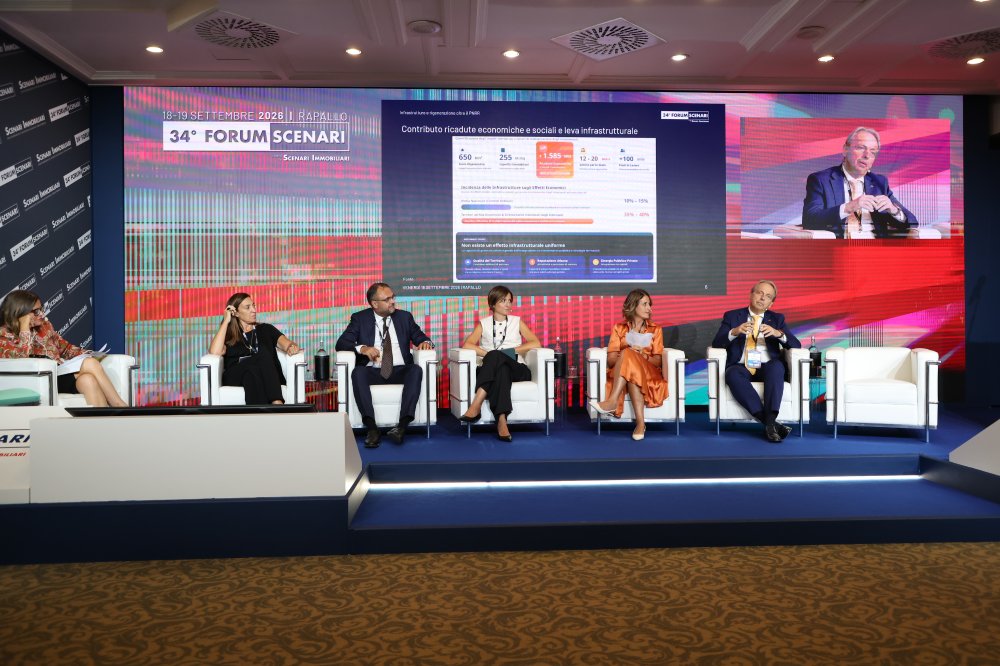
Are infrastructure and urban regeneration two interdependent components for territorial development?. This was discussed in depth during the 34th edition of the Scenari Immobiliari Forum—the benchmark event for the real estate sector—which took place in Rapallo on September 18th and 19th and featured Urban Up|Unipol as its main sponsor.
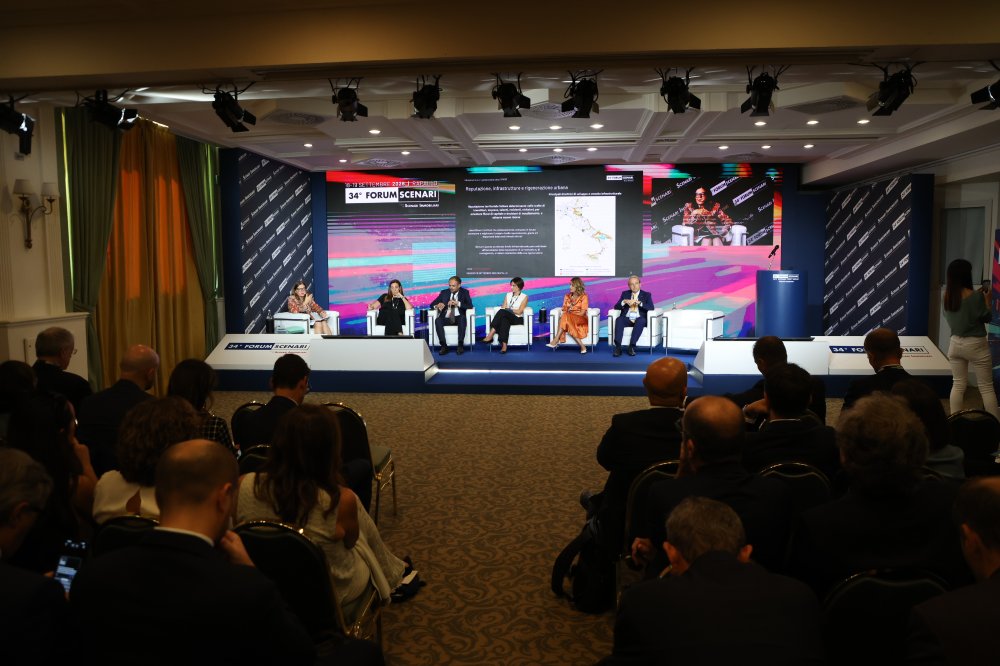
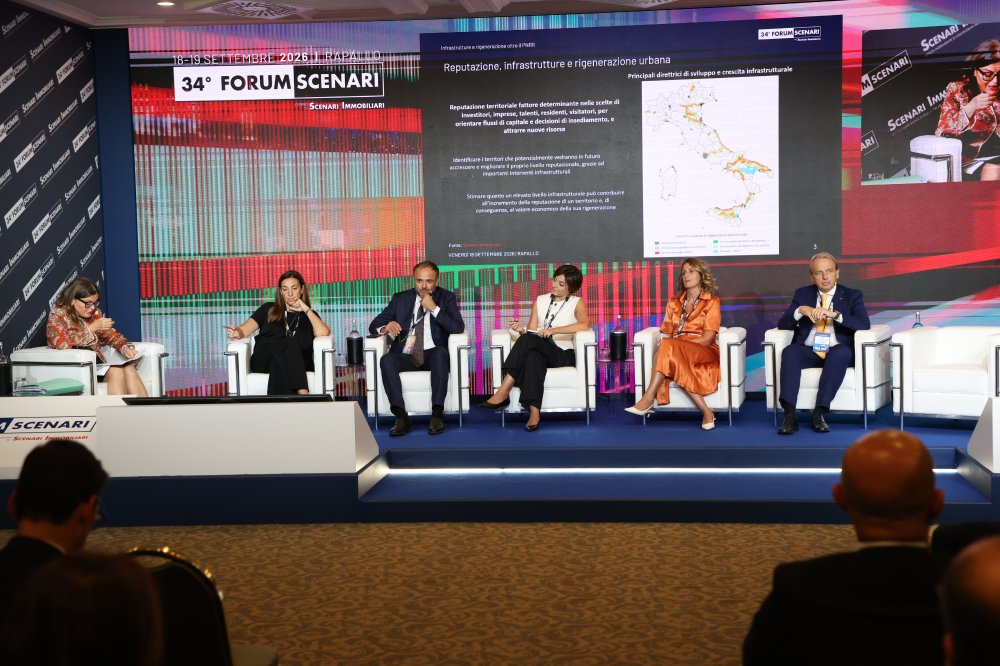
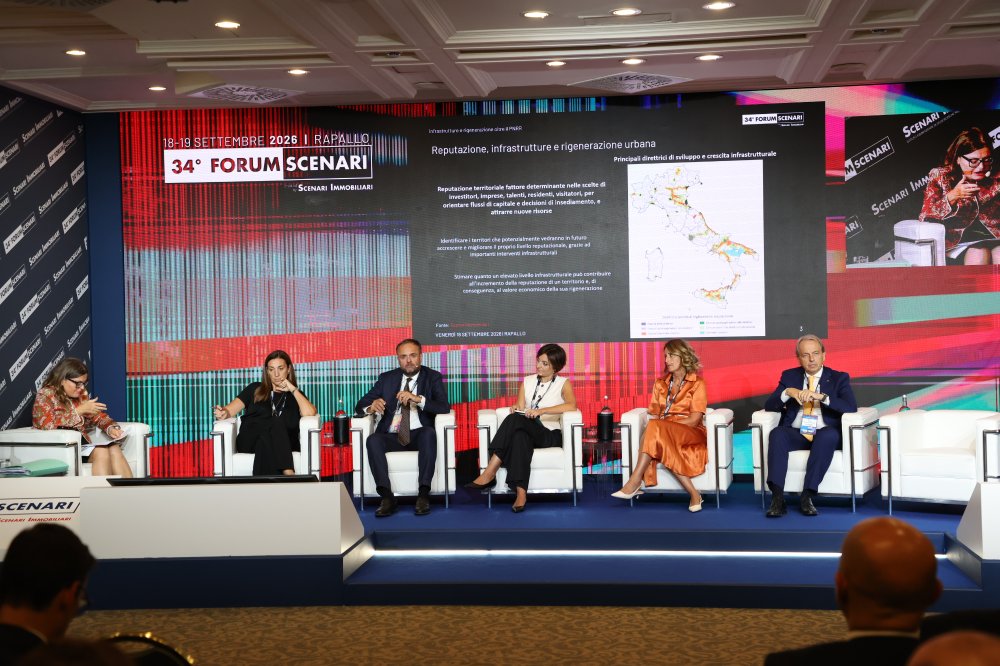
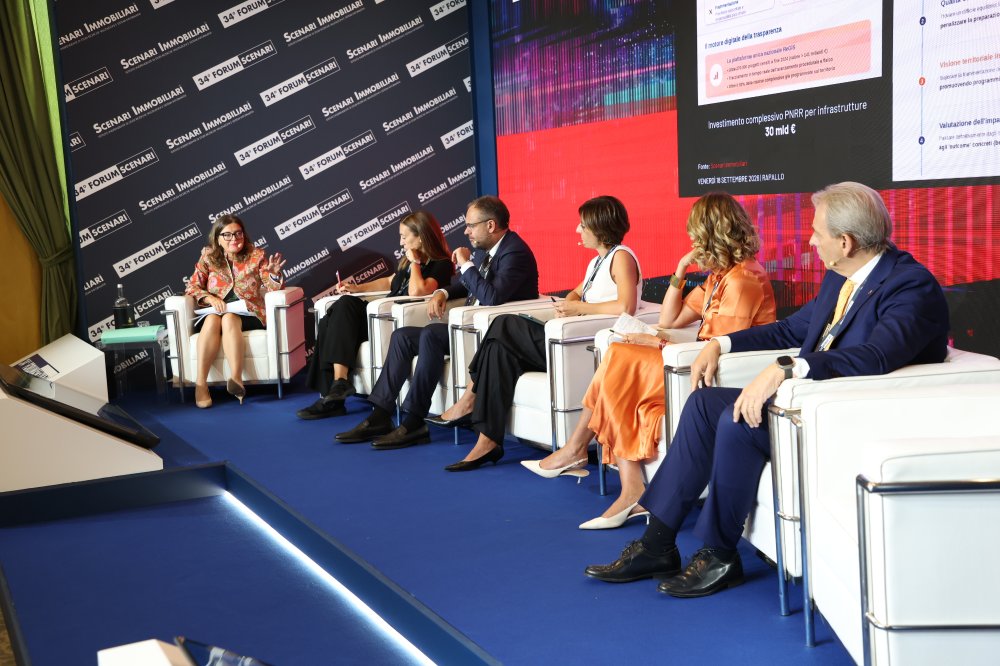
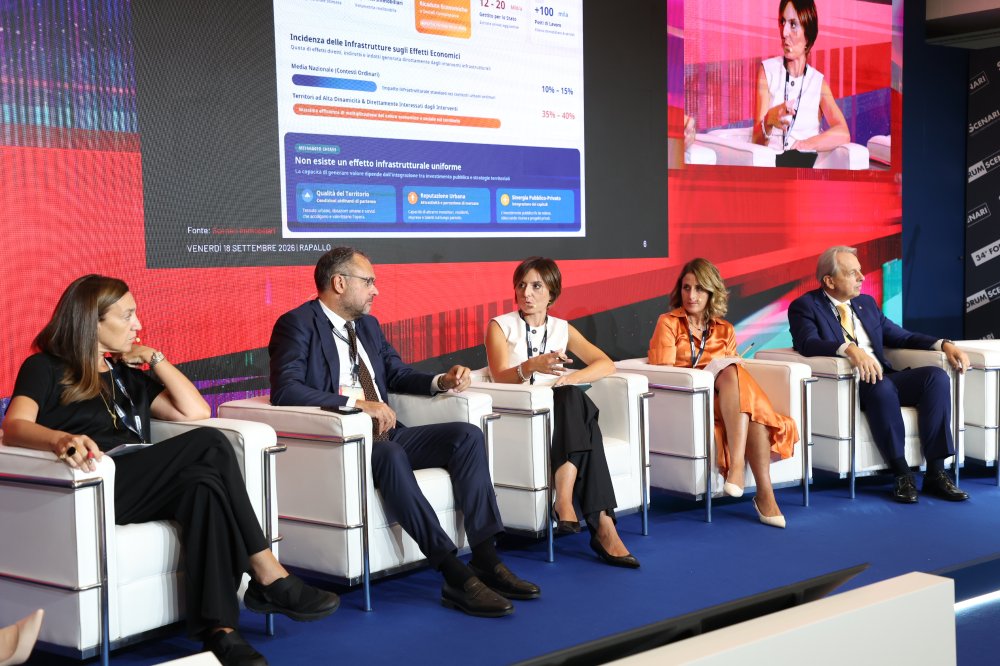
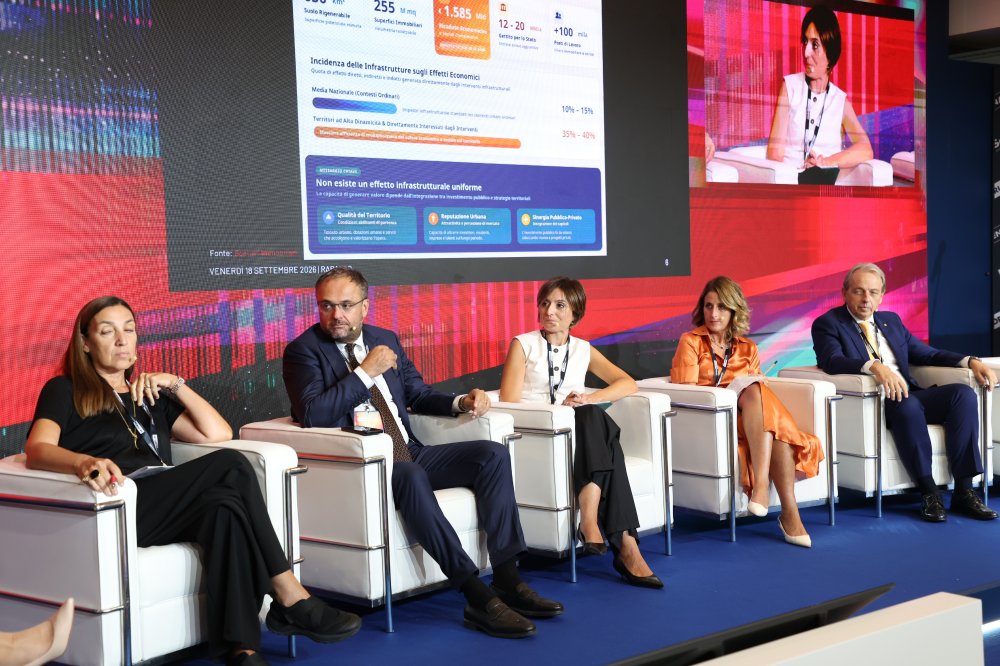
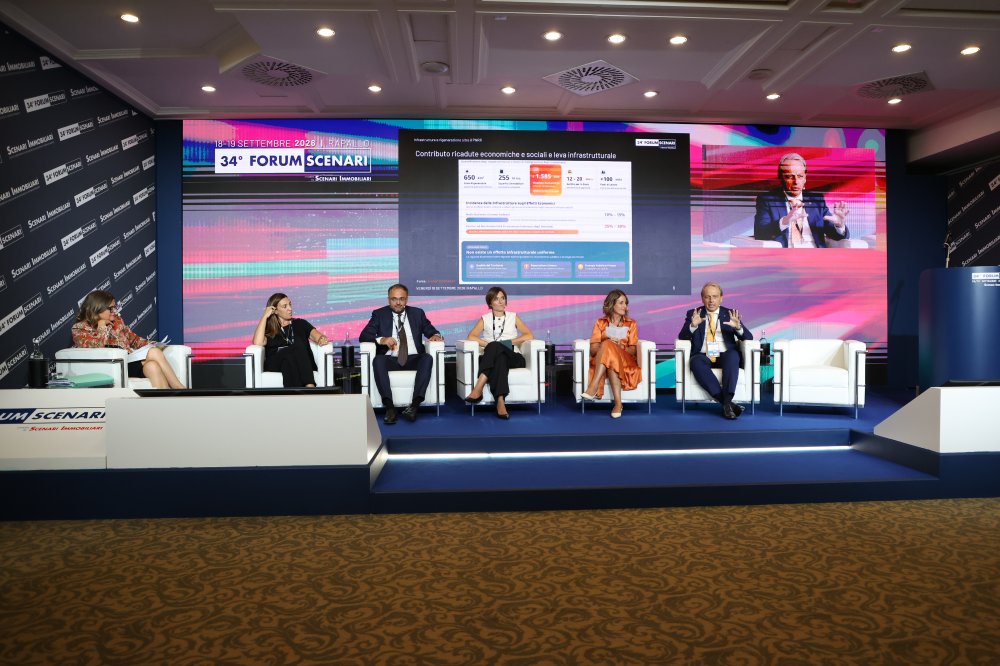
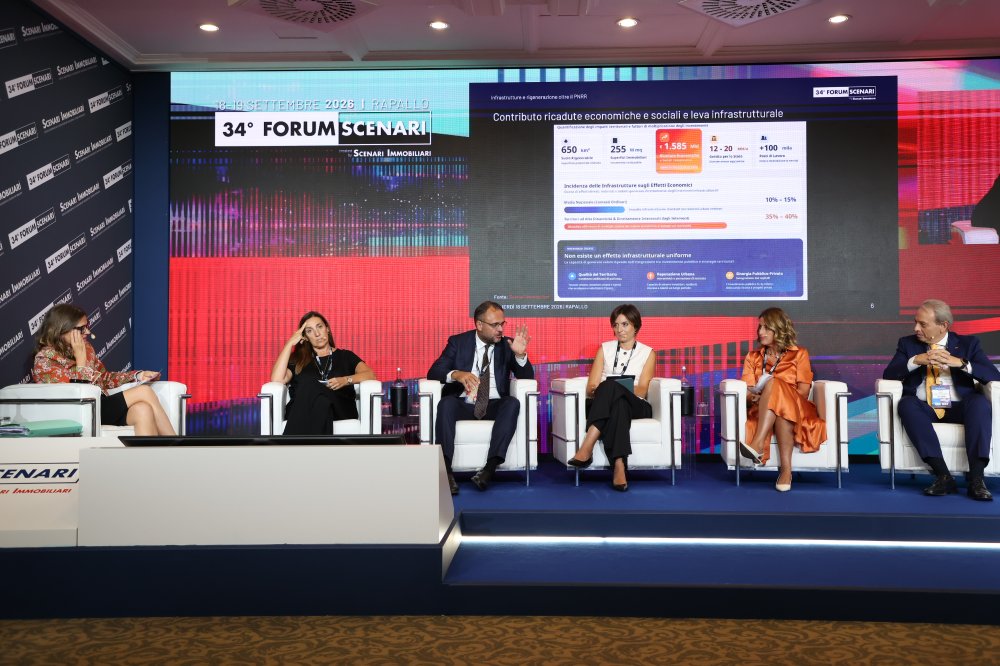
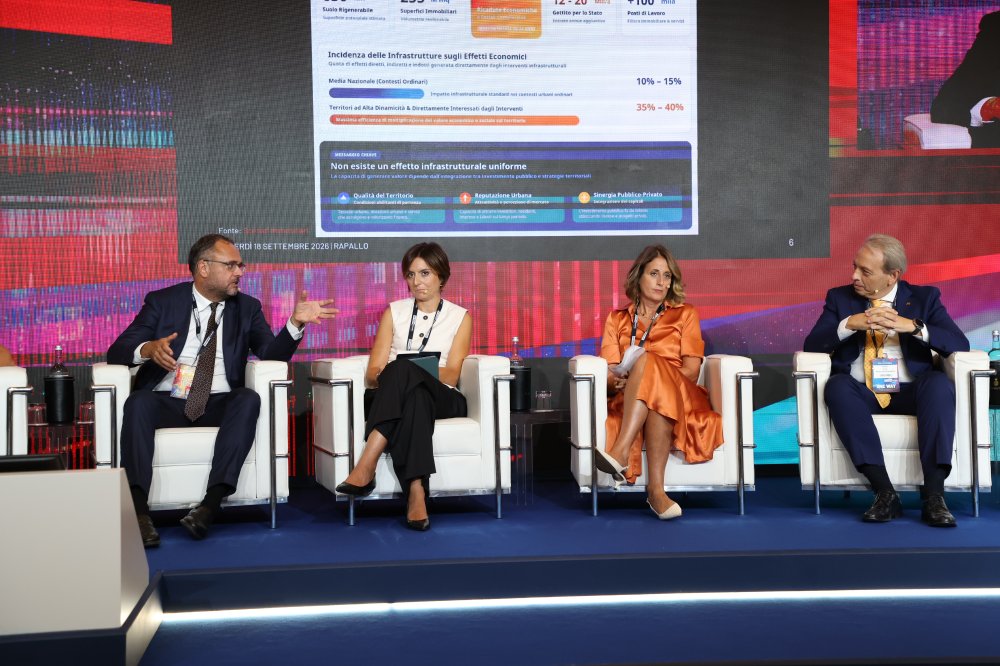
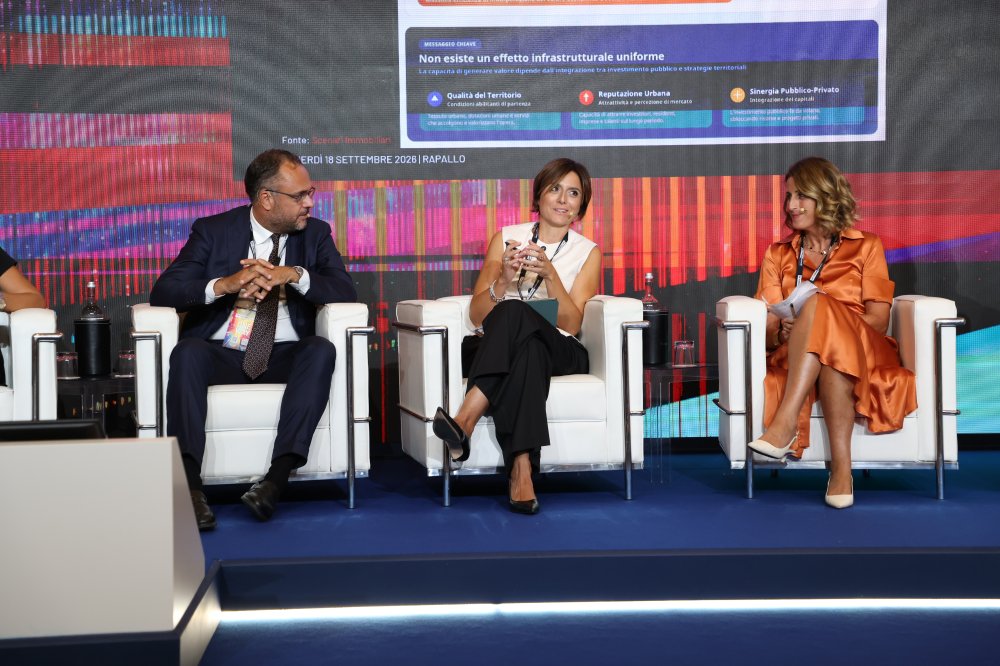
The report, produced by Scenari Immobiliari in collaboration with Urban Up | Unipol, was presented during the panel discussion titled “INFRASTRUCTURE AS A LEVER FOR REGENERATION”. Moderated by Francesca Zirnstein, General Manager of Scenari Immobiliari, the panel featured Massimiliano Morrone, Chief Real Estate Officer of Unipol Assicurazioni and CEO of Unipol Investimenti SGR, alongside Claudia Botti (Aeroporti di Roma), Francesca De Sanctis (ANCE Roma ACER), Francesca Federzoni (Politecnica), and Roberto Rosso (Senate of the Republic). “Infrastructure and urban regeneration,” emphasized Massimiliano Morrone, “are inseparable levers of a single development strategy. Investing in networks, connectivity, services, and the quality of spaces does not merely mean physically transforming territories; it triggers economic growth, attractiveness, and social cohesion. The synergy between major public works and real estate assets—combining infrastructural vision and urban regeneration—generates enduring value that benefits local communities and the entire country”.
Indeed, the Scenari Report highlights that roads, railways, airports, ports, energy, and digital networks are not exclusively functional assets for mobility. Instead, they act as platforms capable of reshaping regional accessibility, attracting investment, mitigating real estate risk, and driving new urban transformation processes. Concurrently, urban regeneration helps consolidate and expand the value generated by infrastructure over time, turning individual public works into territorial systems that drive competitiveness, urban quality, and economic growth.
From public investments to regional transformation, this synergy is projected to generate €1.6 trillion in social, economic, and real estate value by 2050. This carries a premium between 10% and 15% at a national level, rising to between 35% and 40% in territories directly impacted by urban and infrastructural regeneration. This is the legacy of governance and operational models that the PNRR (National Recovery and Resilience Plan) era is delivering to the real estate sector and the community. The era of urban regeneration has never been halted; it has experienced fluctuating phases of expansion and retreat due to various factors, not least the uncertainties arising from unclear regulatory frameworks. However, 2026 marks a new beginning, involving 32 square kilometres of land area, 12 million square metres of gross floor area generated, and a built real estate value of approximately €19.11 billion.
This market develops proportionally to reputation—meaning a territory's capacity to function, grow, and offer opportunities—and finds its primary catalysts in infrastructure, skill integration, and the specific expertise of the professional sectors involved. In particular, the leverage effect generated by investments in mobility, logistics, energy, and digital networks, combined with the systematisation of governance and operational models, will expand the economic and territorial impact of real estate in the coming decades.
“The panel established for the Forum with Urban Up | Unipol brings together key players in regeneration for an exchange on objectives, models, and tangible returns. The wave of infrastructural investments launched in recent years has created the necessary conditions, particularly regarding governance, for a new phase of territorial and real estate development,” commented Francesca Zirnstein, General Manager of Scenari Immobiliari. “Infrastructure does not automatically generate growth, but it makes growth possible. Its impact is fully realized when it aligns with administrative will, capital, and managerial and operational capability. The value of regenerated works is measured in physical and economic terms, as well as in the strengthening of the competitiveness and reputation of the territories. From this perspective, urban regeneration and the resulting long-term economic and social value clearly demonstrate the centrality of infrastructural investments for collective well-being.”
See the interview with Massimiliano Morrone here.
Rapallo,
September 18 2026
